What holds us together: cohesion, courage and the shifting of power

Eleanor Cater
CEO
24 September 2026
This article is published in Alliance Magazine - read online here
Every second year our national conference gives us a chance to step back from the daily work of running a peak body for community foundations and ask some bigger questions: what does Aotearoa New Zealand need us to be – and what conversations need to be held to get us there?
This year, the question that kept surfacing was around declining social cohesion and about whether we are willing to be honest about how fragile it has become.
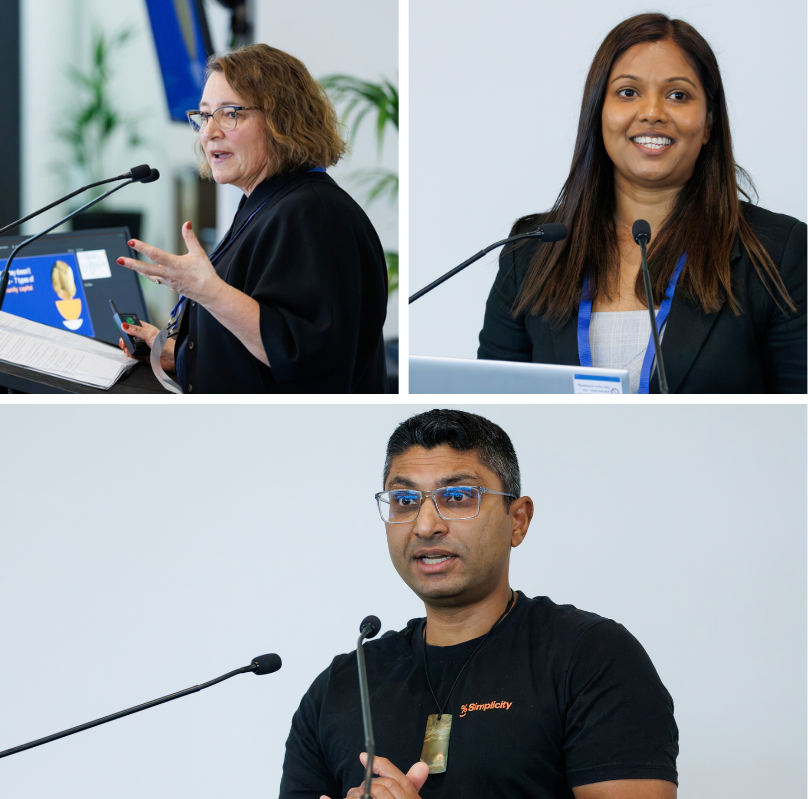
The research is not encouraging: New Zealand’s social cohesion is fraying, and the decline is not gradual. Economist Shamubeel Eaqub laid out the data for us in his characteristically honest way, and I think it left little room for comfort. What struck me, considering that data alongside our own findings from the BERL Giving in Aotearoa New Zealand 2026 research, is how directly cohesion and generosity are entangled. When people feel connected to one another, where there is trust and a sense of belonging, giving and philanthropy thrive. Proximity is a core driver of giving and people give to what they can see, touch and feel a part of. This reframes the work of community foundations: we are not simply facilitators of well-meaning generosity, moving money from those who have it to causes that need it. We are, or we ought to be, in the business of building the conditions – trust, belonging, connection – that make human generosity possible in the first place, drawing people closer to communities so they can experience what is really going on. If we enable communities to see how current systems are keeping inequality and environmental degradation firmly in place, it’s baked into our DNA as humans to respond – ‘what can we do about that?’ – together.
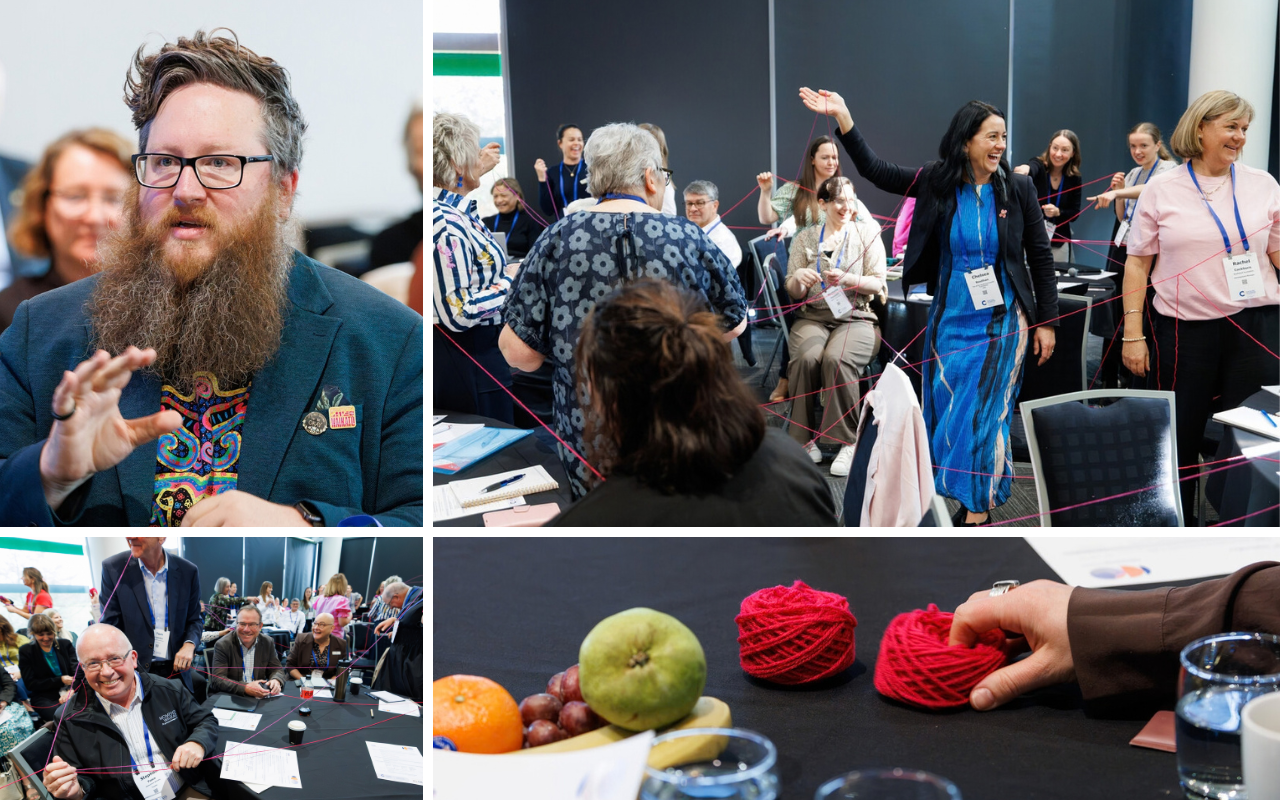
One of the more unexpected threads running through the conference was the theme, led by Dr Jeremy Mayall CEO of Creative Waikato, that creativity is not a discretionary extra in community life but something close to a precondition for connection. Dr Mayall’s challenge to us was to build at least two hours of creative pursuit into every week, and invest in the creative arts as community infrastructure, not as an afterthought. A late-morning session – in which the entire room was asked to draw a duck (a genuinely ridiculous exercise) – turned out to be one of the more memorable moments of the conference. Laughter and shared foolishness did more to build a room’s sense of connection in a few minutes than hours of strategy talk. It is a small, almost too obvious point, but it illustrates that cohesion is built in human, often playful ways, and organisations that people who only ever meet in formal settings are missing something very important. A conference highlight for me – again a bit of fun but with a serious message behind it – was auctioning off investment firm Mark Lister’s duck to support the work of Fibre Fale in bridging the digital divide for Pacific people.
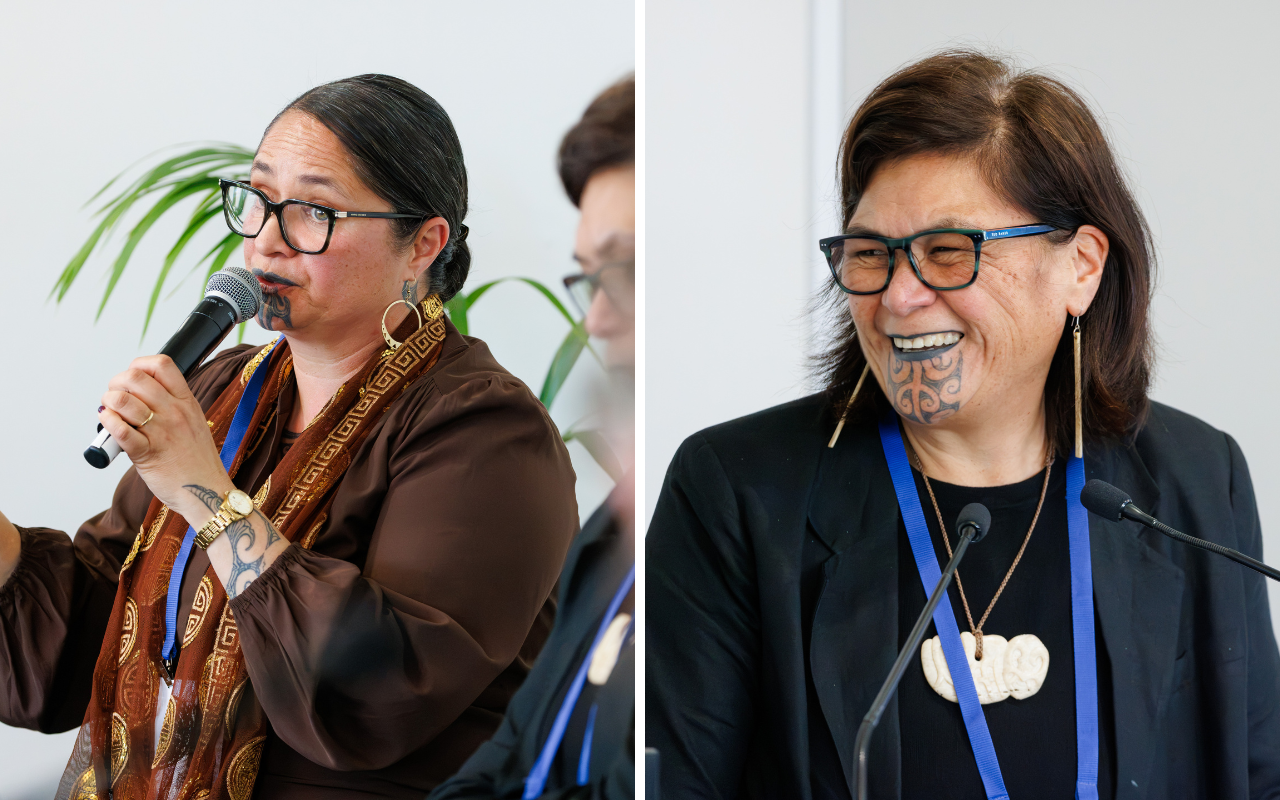
The most crucial conversation of the conference focused on te ao Māori and progressing partnerships with tangata whenua in our communities. Hon. Nanaia Mahuta challenged us to think of economic decisions not for today’s consumption but with mokopuna – our future generations – in mind. Maria Huata offered what I think was the most poignant message I heard over two days: that aroha, love or compassion, needs māia (courage) to get it over the line and into manaaki, genuine care in action. Courage is what authentic relationships actually require, and courage is harder to summon and sustain than goodwill alone. Nanaia urged us to find the kaupapa- the cause or purpose – that matters to local iwi and hāpu, invest in that and also take it further: roll up your sleeves to connect and understand that when Māori communities succeed, everyone benefits. In a colonised nation, these conversations brought into the spotlight where concentrated power continues to sit and who is getting to decide what matters.
That question of power returned, more explicitly, in the closing plenary. Georgia Mathews, from Community Foundations Australia, reflecting on everything she had heard over the two days, put a provocation to the room: where was the conversation about shifting power and building movements? It is a fair challenge, and an uncomfortable one, because it is not language our New Zealand sector explicitly uses, even when it is, in fact, what we are attempting to do. Shifting power to the grassroots of communities and lived experience has to be a named part of a community foundation’s mandate, not a background assumption.
Our incoming Chair, Em Lewis, closed the conference by asking whether we have the courage to imagine a future of genuine collective impact built on true partnership with tangata whenua. We must demonstrate the value of investing in Māori-led initiatives, while respecting Māori leadership and decision-making; there is a distinct opportunity for community foundations to build authentic partnerships – where invited – and contribute our own strengths in ways that complement the evolving Māori-led ecosystem.
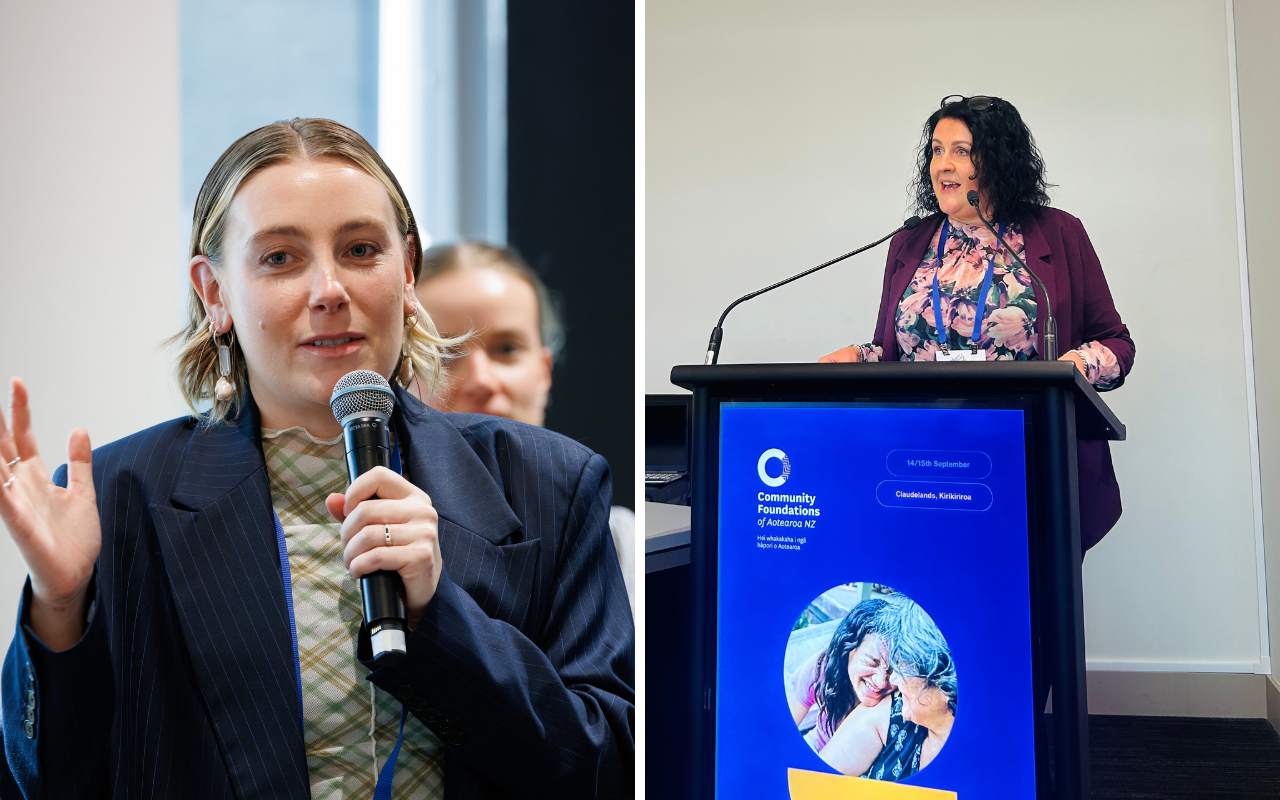
Three further threads I think deserve mention: Grant Blackwell, Chief Scientist at the Climate Change Commission, shared that New Zealand now spends roughly NZ$4 billion a year responding to climate emergencies, with only three cents of every dollar going to mitigation and resilience – and the country is now facing a climate emergency roughly every eight days. Community foundations can be central to building the capacity of local iwi, hapū and marae – including as meeting spaces for whole communities in emergencies – and to exploring climate mitigation strategies that build community resilience. Sam Henderson from Northern Rivers Community Foundation in Australia also shared some of the planning work that is now being undertaken there, with the realisation that climate leadership and resilience need to be baked into a community foundation’s DNA.
In the plenary session on AI, with the powerhouse of energy of Julia Pahina, Michelle Baldwin and Lani Evans, I was struck with this linguistic warning: we must resist humanising machines: ‘AI cannot tell a community what it ought to care for; only humans can do that.’ Local, community-governed AI infrastructure has to be the future and this is something that community foundations can lead in local communities rather than relying on distant, extractive models.
Finally, the breakout session on impact investing also deserves a special mention – how are we mobilising our assets to do community good? This session, led by lawyer and community champion Steven Moe, revealed where the opportunities lie to mobilise collective assets to support ‘New Zealand Inc’ beyond traditional grant making. It left me imagining what outcomes we could achieve if every community foundation committed, as a starting point, to investing at least a percentage of their assets for impact. Can we shift our collective mindsets from maximising market returns (for grant making) towards investing in community impact?
This year also marked ten years since our national body CFANZ was formed, and as I reflected on the past ten years I also asked New Zealand’s community foundations an open question about the decade ahead: given the scale of the challenges in front of us, is it enough to sit in a comfort zone and be facilitators of well-meaning generosity? Should we be more purposefully and courageously leading the charge to shift the entrenched, local issues piling up on our own doorstep?
I left Kirikiriroa convinced that the answer has to involve more courage than comfort- stepping more purposefully into our māia, and the shifting of power, together.

Date Posted: 24 Sept 2026
Recent Posts
Turning lifetimes into legacies
21 Sept 2026
Chris Thomas left his estate to Nīkau Foundation in 2022 to fund conservation work indefinitely...
Read moreWhy your will is about more than your assets
17 Sept 2026
A will decides who raises your children if you can't, and how much certainty your partner has if you're not married. It also decides how much control you get over when your kids actually inherit. Arron Perriam, who advises families on philanthropy and intergenerational wealth at Craigs Investment Partners, walks through why that planning matters. Read it before your next conversation with your lawyer.
Read moreBuilding connected communities - reflections from the CFANZ Conference 2026
17 Sept 2026
At its heart, this year's CFANZ conference was about what it takes to build connected communities. The research is clear that social cohesion in Aotearoa is fraying, and community foundations sit in a unique position to help rebuild it. Where social cohesion exists, giving and philanthropy thrive....
Read more